
Preventive Health Checks for Busy Adults
Preventive health checks are easy to postpone because nothing feels urgent. But small risks can build quietly: high blood pressure, cholesterol, diabetes risk, low iron, skin cancer risk, overdue screening, alcohol creep, poor sleep and stress. A GP check can help you work out what actually needs attention and what can wait.

Travel Medicine and Vaccines: What to Discuss Before You Go
Travel medicine is best done before the suitcase is packed. Vaccines, malaria prevention, medication letters, food and water advice, travel insurance, pregnancy considerations and chronic disease planning can all take time. A GP appointment can help you prepare for the health risks of your actual destination, not just travel in general.

Contraception Options in Australia: How a GP Can Help You Choose
The best contraception is not the same for everyone. It depends on your health, your cycle, side effects, plans for pregnancy, breastfeeding, migraines, blood clot risk, skin concerns, bleeding pattern, convenience and personal preference. A GP can help you compare options without pressure.

Shared Antenatal Care With a GP and the Royal Hospital for Women
Shared antenatal care means some of your pregnancy check-ups are with your GP and some are with the hospital maternity team. For many women, this feels reassuring because they can keep seeing a familiar local doctor while still being connected to the hospital where they plan to give birth. Dr Amanda Henderson provides shared pregnancy care with the Royal Hospital for Women in Randwick.

Perimenopause and Menopause: Questions to Bring to Your GP
Perimenopause can feel confusing because symptoms often start while periods are still happening. Hot flushes, night sweats, sleep disruption, mood changes, brain fog, joint aches, vaginal dryness, low libido and heavier or more irregular periods can all affect quality of life. A GP can help work out what is menopause-related, what else needs checking, and what treatment options fit your health and preferences.

Acne Treatment for Teens and Adults: When to See a GP
Perimenopause can feel confusing because symptoms often start while periods are still happening. Hot flushes, night sweats, sleep disruption, mood changes, brain fog, joint aches, vaginal dryness, low libido and heavier or more irregular periods can all affect quality of life. A GP can help work out what is menopause-related, what else needs checking, and what treatment options fit your health and preferences.
PCOS and Irregular Periods: What a GP Can Check First
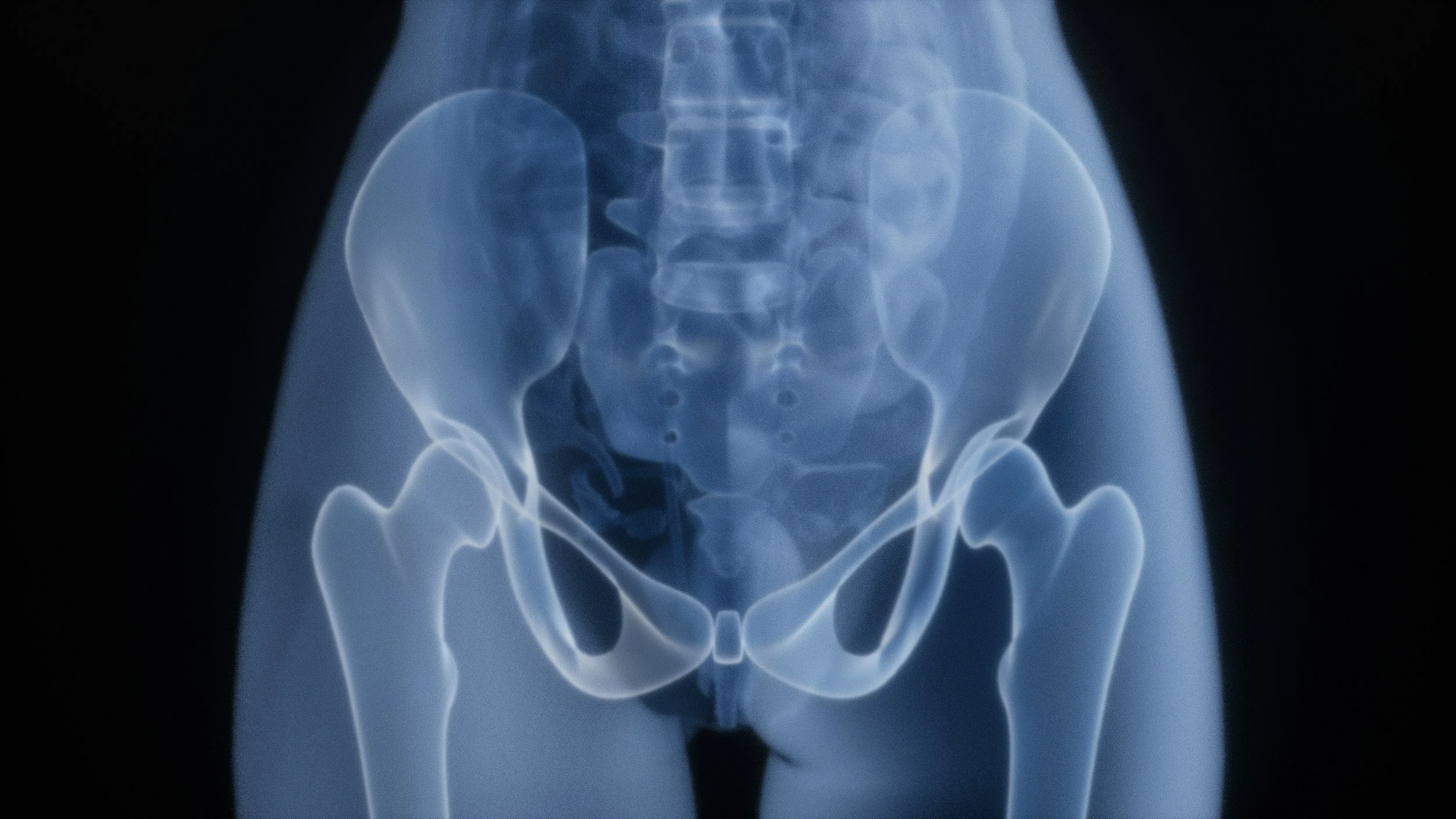
Irregular periods can be frustrating, especially when they come with acne, excess hair growth, weight changes or fertility worries. Polycystic ovary syndrome, or PCOS, is one possible cause, but it is not the only one. A GP can help work out what needs checking and what can be done now.

Baby and Childhood Eczema: Getting the Basics Right
Baby eczema can make everyone miserable. Itching affects sleep, feeding, mood and family life, and parents often feel guilty or confused about creams. A GP can help confirm whether the rash looks like eczema, check for infection, build a flare plan and explain how to use treatments safely.

Starting Solids and Allergy Foods: Calm Advice for Parents
Starting solids can be exciting, messy and surprisingly stressful. Parents often worry about timing, choking, allergies, how much food is enough, and what to do if a baby has eczema or a family history of allergy. A GP can help you make a safe, practical plan that fits your baby.
Implanon and IUD Questions: What to Ask Your GP Before Choosing
Implants and IUDs are popular because they are long-acting and do not need to be remembered every day. But choosing between them can still feel confusing. The right option depends on your bleeding pattern, pain, medical history, comfort with procedures, plans for pregnancy and how you feel about possible side effects.

Breast Lumps, Breast Pain and Screening: When to See a GP
Finding a breast lump or noticing a breast change can be frightening. Most breast symptoms are not cancer, but they should still be assessed properly. A GP can examine the breast, decide whether imaging is needed, explain screening, and help organise follow-up so you are not left guessing.

When Should I See a GP Before Trying for a Baby?
Planning a pregnancy? Learn when to see a GP before trying for a baby, what a preconception health check includes, and how Dr Amanda Henderson supports patients in Sydney’s eastern suburbs.

Understanding What Causes Heavy Periods
Heavy periods can be caused by many different things, including hormonal changes, fibroids, adenomyosis, endometriosis, polyps, thyroid problems, bleeding disorders, some medications, contraception changes, pregnancy-related issues, and changes around perimenopause.

Perinatal Mental Health: When Pregnancy or New Parenthood Feels Hard
Pregnancy and new parenthood can be joyful, but they can also be frightening, lonely and exhausting. Feeling anxious, flat, irritable, numb, tearful or overwhelmed does not mean you are failing. It means you deserve support. A GP is often a good first person to tell because they can check safety, look for physical contributors, explain options and help coordinate care.
Eczema, Psoriasis and Chronic Skin Conditions: Getting a GP Plan
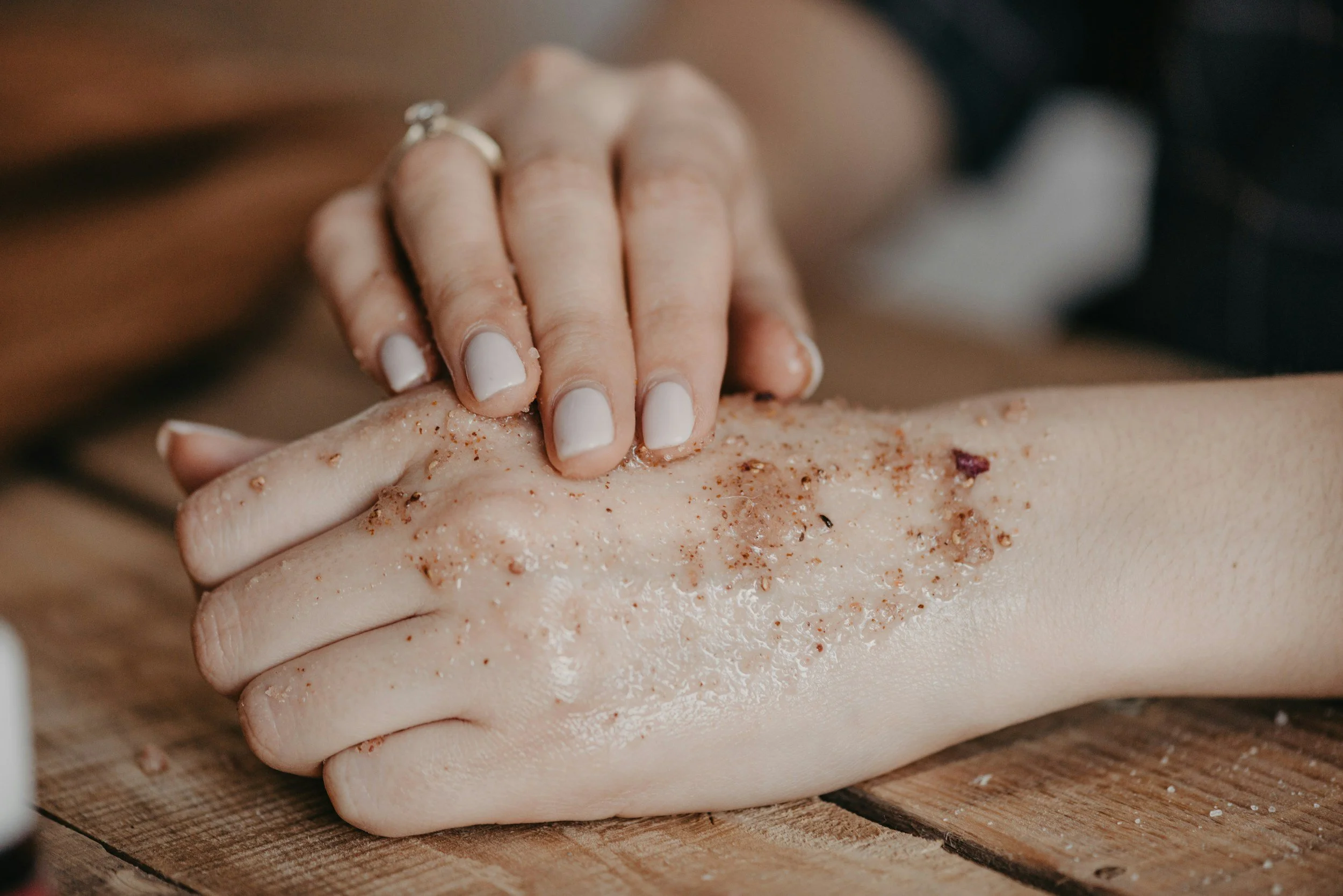
Chronic skin conditions can affect sleep, confidence, work, sport and everyday comfort. Eczema and psoriasis often flare and settle, which can make people feel they are constantly starting again. A GP can help build a clear plan for flares, maintenance, triggers, infection risk and referral when symptoms are not controlled.

Men's Health Checks in the Eastern Suburbs: What to Ask Your GP
Many men only see a GP when something is painful, urgent or impossible to ignore. A men's health check is different. It is a chance to look at heart risk, blood pressure, diabetes risk, mental health, sleep, alcohol, smoking, sexual health, skin cancer risk, bowel screening and prostate questions before problems become harder to manage.

Cervical Screening and Self-Collection: A GP Guide for Patients
Cervical screening is one of the most important preventive health checks for women and people with a cervix. In Australia, routine screening looks for HPV, the virus that causes most cervical cancers. Many eligible patients can now choose self-collection, which can make screening feel more private and manageable.

How to Choose a GP in Sydney's Eastern Suburbs
Choosing a GP is partly about convenience, but it is also about trust. A good GP should help you feel heard, explain options clearly, look at your health as a whole, and know when a concern needs tests, follow-up, a referral or urgent care. If you live in Maroubra or nearby parts of Sydney's Eastern Suburbs, Dr Amanda Henderson is a local GP at GP Maroubra who provides caring, family-focused general practice close to home.

Family GP Care in Maroubra: Why Continuity Matters
Family life is busy, and health questions rarely arrive one at a time. A child might be due for immunisations, a parent might be exhausted, someone else might need a skin check, and an older relative may be juggling blood pressure, cholesterol or diabetes risk. A regular family GP can help join these pieces together rather than treating every visit as an isolated problem.

The Six-Week Postnatal Check: Looking After Mother and Baby
The six-week postnatal check is not just a quick look at the baby. It is a chance to check how the mother is recovering physically and emotionally, how feeding is going, whether the baby is growing and developing as expected, and what support is needed for the next stage.