
Pregnancy Safety: Food, Medicines, Vaccines and Everyday Questions
Pregnancy comes with a lot of rules, and not all of them are explained well. It is common to wonder whether a food is safe, whether a medicine is okay, whether a vaccine is recommended, or whether a symptom is normal. A GP appointment can help separate practical, evidence-based advice from frightening online noise.
Positive Pregnancy Test: What Happens at the First GP Visit?
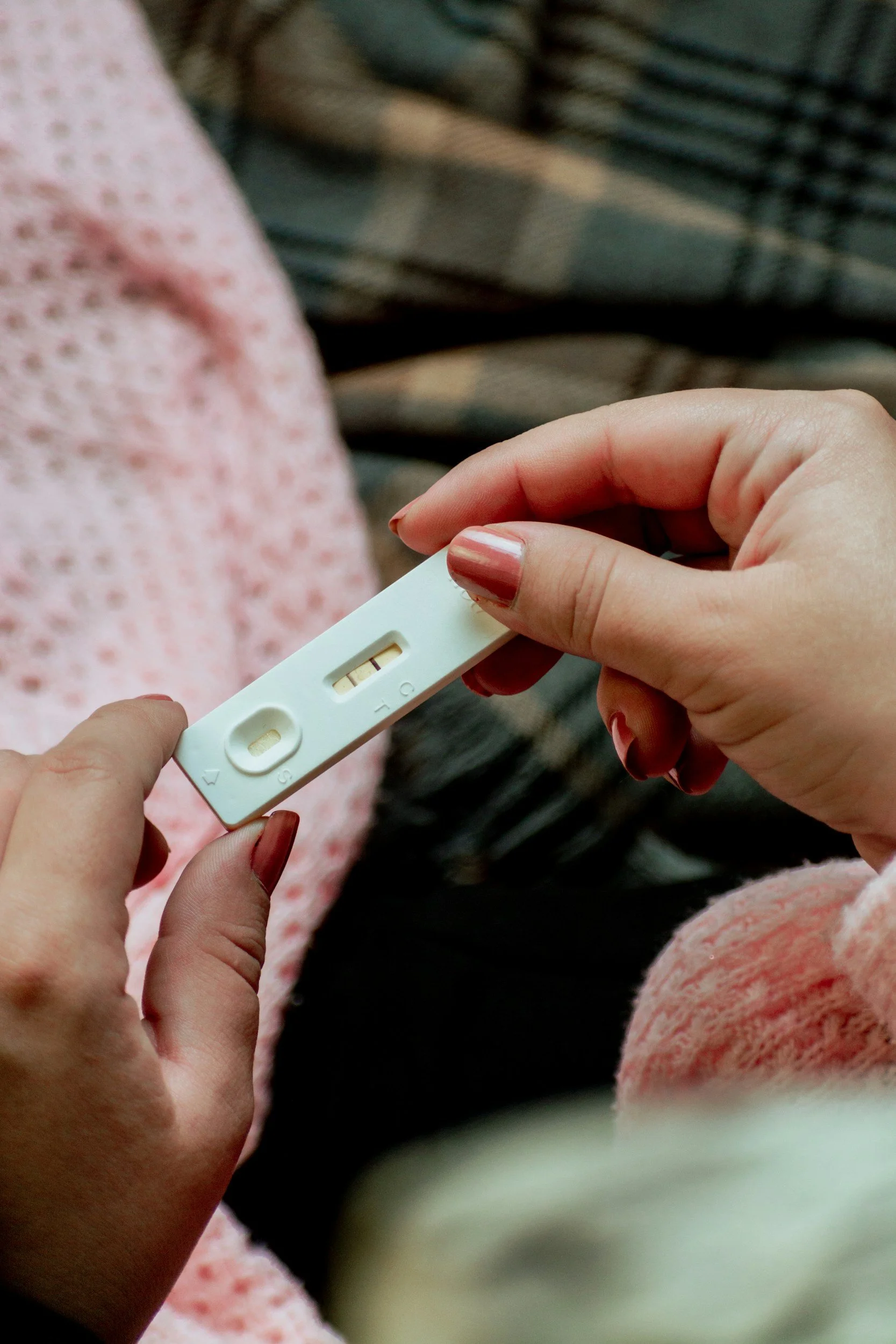
A positive pregnancy test can bring excitement, shock, relief, anxiety or a mix of everything at once. The first GP visit is a practical place to confirm what happens next, estimate dates, review medications, organise early blood tests or scans if needed, discuss pregnancy care options and ask the questions that are already on your mind.
Childhood Immunisations and Development Checks With a GP
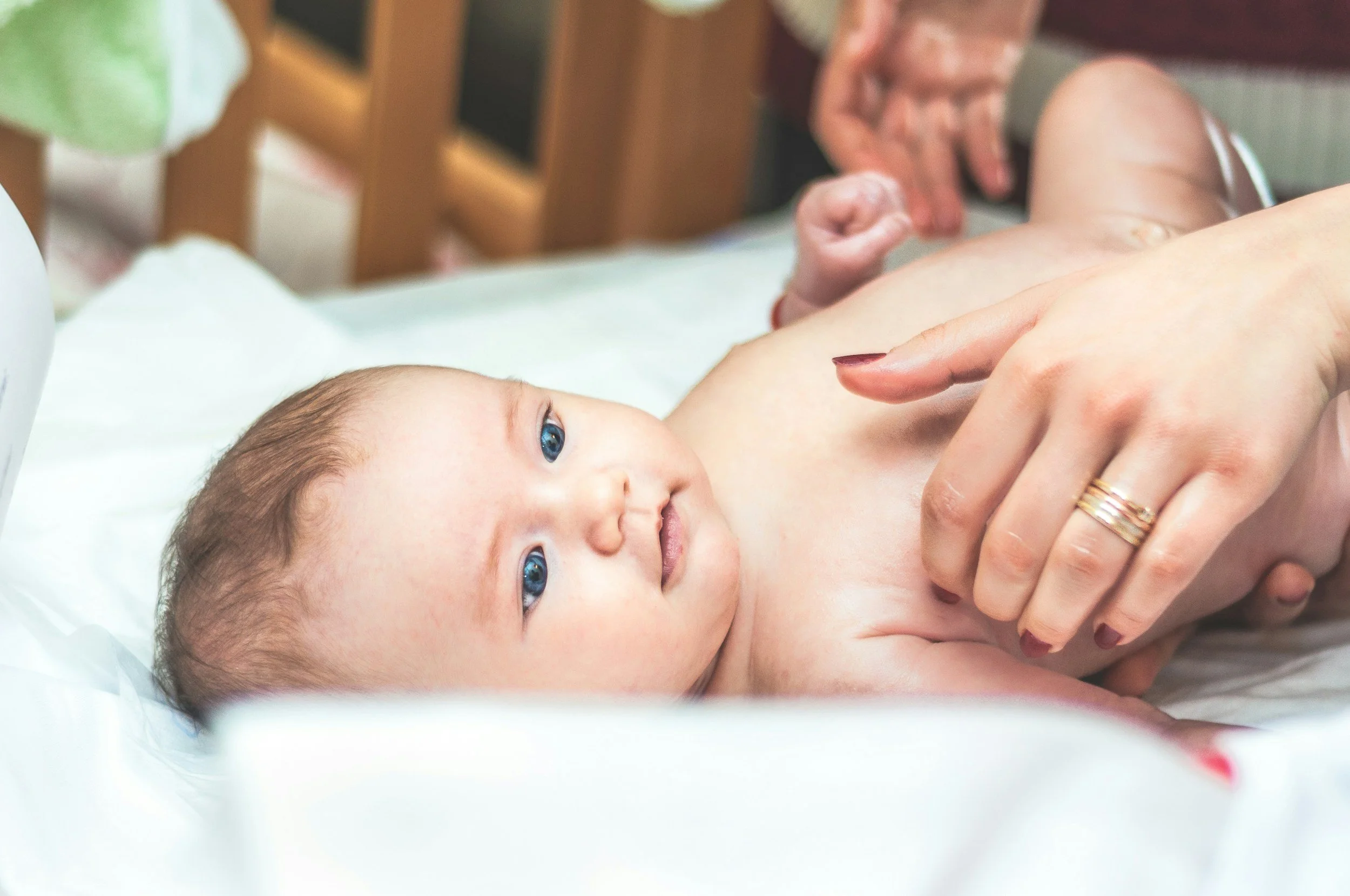
Immunisation visits are also a valuable time to check how your child is growing and developing. Dr Amanda Henderson undertakes development checks with scheduled immunisations and takes parental concerns seriously. That matters because parents often notice subtle changes before anyone else does.

Endometriosis Symptoms: Starting the Conversation With Your GP
Severe period pain is not something you should have to simply endure. Endometriosis can cause pelvic pain, painful periods, pain with sex, bowel or bladder symptoms, fatigue and fertility concerns. Symptoms vary widely, and some people have had pain dismissed for years before they ask again for help.
Heavy Periods and Iron Deficiency: How a GP Can Help
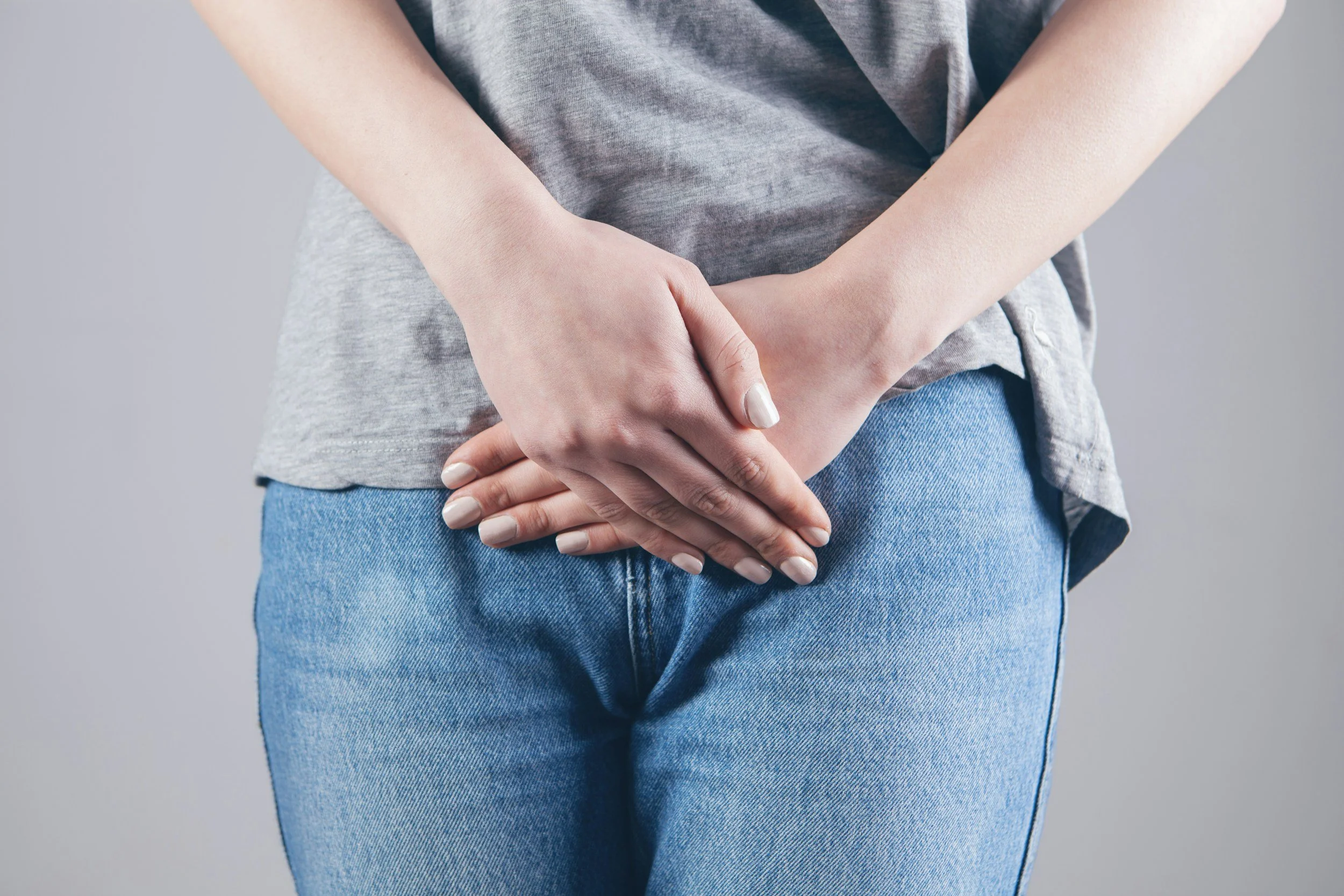
Heavy periods are common, but that does not mean you have to put up with them. If bleeding affects your work, sport, sleep, social life, sex life or energy, it is worth discussing with a GP. Heavy bleeding can also lead to iron deficiency, which can cause fatigue, shortness of breath, dizziness, headaches, poor concentration and restless legs.

ADHD Concerns in Children: First Steps With a GP
If you are wondering whether your child has ADHD, you do not need to have the answer before booking a GP appointment. Parents often come in because a child is struggling with attention, impulsivity, emotional regulation, schoolwork, friendships, sleep or behaviour at home. A GP can help organise the first steps and make sure other causes are not missed.

Lifestyle Medicine: Weight, Sleep, Alcohol, Smoking and Wellbeing
Lifestyle medicine should not feel like a lecture. Most people already know that sleep, movement, food, alcohol, smoking and stress matter. The harder part is making changes in real life when work, family, mood, pain, hormones, money, time and habits are all involved. A GP can help turn broad advice into a safer, more practical plan.

Sexual Health, Vaginal Symptoms and STI Testing: A GP Visit Should Feel Safe
Sexual health and vaginal symptoms are common reasons to see a GP, even when they feel awkward to talk about. Discharge, itching, odour, pelvic pain, pain with sex, bleeding after sex, STI concerns, contraception questions and pregnancy risk all deserve respectful, confidential care.
GP, Urgent Care or 000? How to Decide in Sydney’s Eastern Suburbs
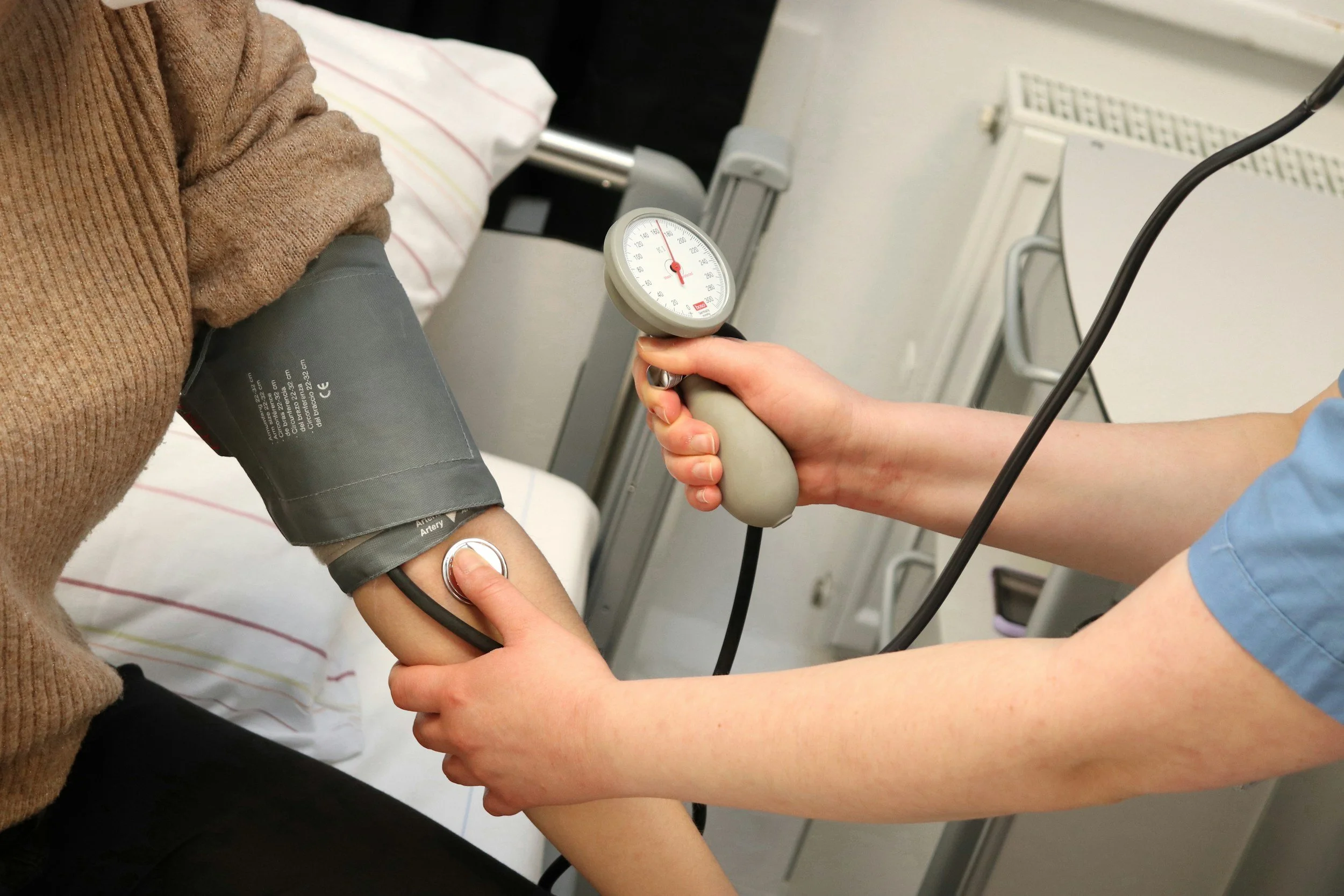
It is not always obvious whether a problem needs a GP, urgent care, emergency department or an ambulance. Many concerns can start with a GP, especially if you are stable and symptoms are not severe. But some symptoms should never wait for a routine appointment.